


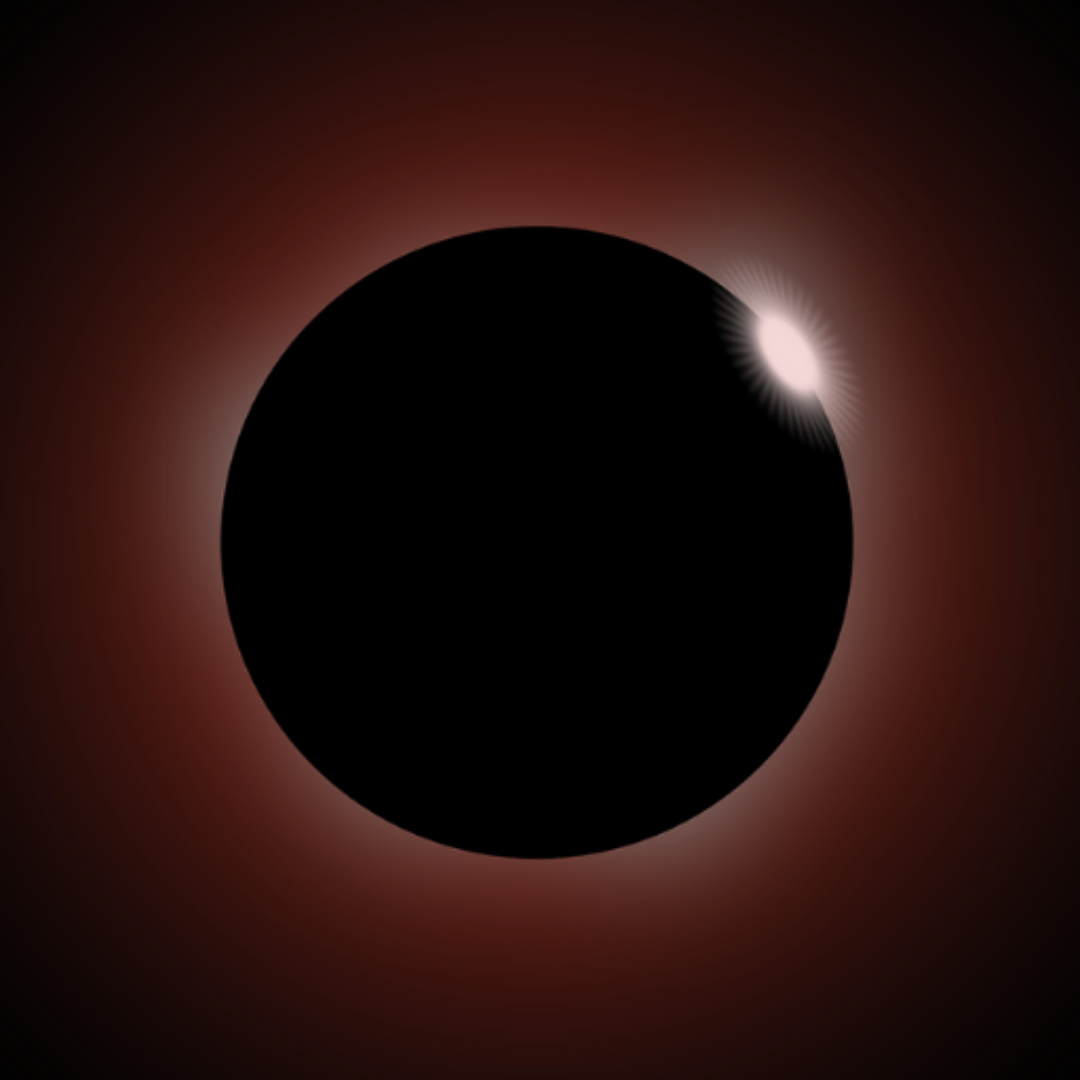
The orb appeared in her eye at dusk. As she knew it would. Wobbling. Bobbling about. Like a dark beach ball balanced precariously on her wave of discontent. She placed her hands palms-down in her lap and stared at them. The shape was clearer now: an umbra, an unyielding circular sunglass surrounded by a thick black line, fading. The vision in the rest of her eye was just a blur. Her good eye shut. And she went into total eclipse.
7th July 2006
If truth be told, I consider myself lucky to have survived Raunceston. The School had a reputation for old-fashioned discipline and respect that moulded and shaped me as a young man, a cane-hard insistence on compliance, adherence to its arcane rules. Sometimes, it felt as if Raunceston itself was an entity, a person, a floundering old boy, struggling to exert control over us young men.
And girls. There were girls, only in Uppers, and strictly off limits, out of bounds to us older boys. Fraternization with girls: walking them around Arbours, kissing them under Great Oak, and loving them inside our dorms, was punishable with expulsion. As was our illicit indulgence in hard drugs.
The School’s houses dominated the historic railway town like diamonds in a coal mine, scattered gems. There were eleven of them in all, dispersed within council estates, on cobbled streets or, in the case of the girls’ house, concealed within the shady boulevards of the stinking-wealthy rich:
Heads, Teachers, Scholars, Govern, Matrons, Cane, Alchemist, Authors, Inkwell’s, Doctors, and Nurses – where the girls lived.
I slept in Heads, ‘School’s ivy-covered epicentre’, as Arscott fondly put it. But spent most of my time either researching complex organic compounds with Butchart, single-celled organisms with Holford, or ‘petals, sepals, stamens and stigma’ with Miss Monk. I wanted to be a bio-chemist – when I grew up.
Arscott, a balding, black-haired, eloquently-spoken eccentric tutoring Maths, was my Housemaster. Athletic blonde Ms Barfoot (PE): his glamourous Assistant. Irish McGuinn (affectionately nick-named Guinea by her boys) was my Matron, and delightfully-fragile Molly Candle, my Assistant Matron. That was Heads for you, a house of fifty-five boys, aged thirteen to eighteen. A friendly, happy house. Or so it seemed.
I remember joining the throng at eventide: 730pm for 8pm sit-down to be precise. The sunny blue skies were slowly blurring to sapphire. The faintest, lightest, summer breeze did little to alleviate the oppressive warmth and humidity. I stood uncomfortably still, squirming as beads of sweat oozed out of my sunburnt scalp, ran under my stiff white shirt collar, then trickled down my spine, pooling irritatingly in the small of my back.
Still, I did look the part that evening: dapper in my hired white tuxedo, black bow, starched shirt, tight black trousers, and mirror-polished shoes. It was important to look the part at one’s final formal appearance at School. Yes, there’d be one last chapel in the morning, a hearty breakfast with ‘the boys’ in Hall: bleary-eyed, unshaved, half-cut, still high from the thrills of our last unforgettable night. Before we all went our separate ways. But this was my last chance to impress.
As a prelude to Leavers Dinner, we were privileged to indulge in Pre-Dinner Drinks before we entered the marquee. Crowds of parents gathered in The Quad with their young adult children, our Headmaster, Teachers, Matrons, chatting. Waiting staff circulated with drinks and canapes on silver salvers. No expense was spared. I helped myself to a smoked salmon pinwheel, thought twice. No-one was looking so I helped myself to another. I took a sip of Peach Bellini. The bubbles made my nose fizz funnily.
I suppose I should introduce myself. My name was Simon. I was eighteen, tall, slim, handsome, athletic, blonde, middle-class, bright, an academic achiever, a loving devoted son, trussed up in a too-small hired tuxedo, and excruciatingly tight trousers.
Mum, meanwhile, looked as if she was about to explode.
*****
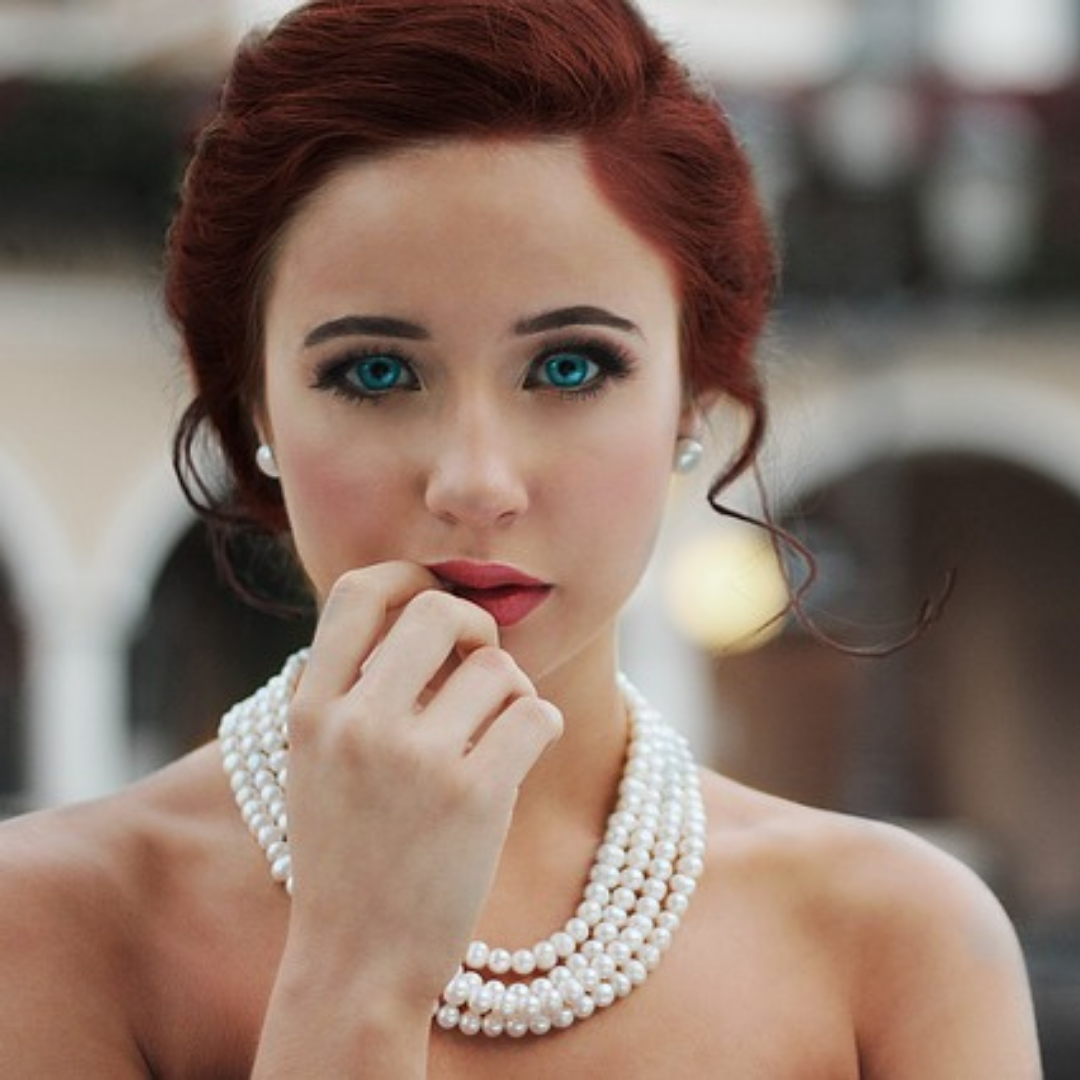
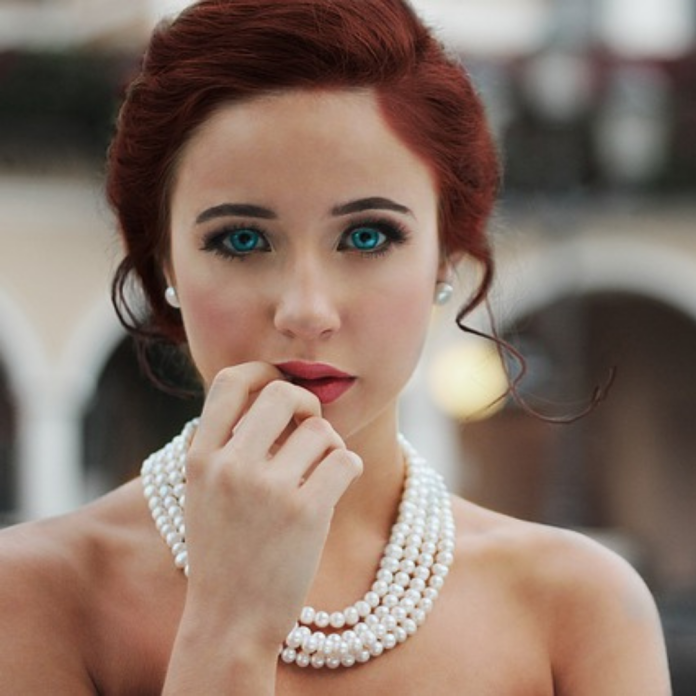
She appeared at dusk. She had no idea why. She only knew she must. Still in total eclipse, she touched herself gently, starting with her head. The first thing she felt was fine hair, worn off her face. Her soft wispy strands dangled over her ears, kissing her cheeks. As she knew they would. A zephyr, a summer breeze, caught the hairs standing on the nape of her neck. She smiled to herself:
I must look very grown-up, wearing my hair up like this! How old am I today? Eighteen? She felt smooth round stones pinned onto her earlobes, three heavy chains: hard beads strung around her exposed neck.
Pearls! I’m wearing Pearls!
Her shoulders were bare, cool. She felt deliciously warm inside, excited at the prospect. Her good eye shut. Still in total eclipse, she stared into her dark orb. And saw the shapes.
*****
‘Are we there yet, Teddy?’
‘Yes, Corinne, we’re back at School with the other children, their mummies and daddies, teachers, pets…’
Fuse well and truly blown, Mum tapped her white stick ferociously on the cobbled-stones, so hard that I feared she might break it. In the same way that she broke us: first Dad, then me, now School. I dreaded this might happen: Mum regressing into infantile childhood in full view of Raunceston. Arscott raised an angry brow at me, his warning shot, his ‘for pity’s sake get the woman under control before she fucks up the whole evening look’. I shrugged my shoulders in despair. There was little that Dad or I could do when she was misbehaving like this. Grin and bear it?
Everyone, every single guest, scholar, staffer or server stopped what they were quaffing, scoffing, saying, or serving. Swivelling their prying heads in our direction. She had barely started. I felt sorry for him at times like this: Dad, cowering with embarrassment next to her, wishing that a veritable mine-shaft would open under him, and swallow him whole. I felt most sorry for him…
‘No! Not School! Don’t want to go to School. Want to play with Barbie. Play with Barbie! In the Woods!’
Her voice faded, as it tended to do whenever her adult mind, her real mind, tried in vain to fight back, to suppress the rampant schizophrenia. I wondered if she flushed her tablets down the upstairs toilet this morning. Mum was forty-seven, short, buxom, attractive, brunette, middle class, public school-educated, well spoken, a mixer, gregarious, proud mother of two boys. Me, and Florian: who was still-born. I suppose that was when she fell to pieces: at her still-birth. I felt sorry for her at first. We all did. As if being bat-blind wasn’t enough of an ordeal for her. Now, I just felt a numbness. Dad struggled to control her illness. All accusatorial eyes were on Dad, the gruntled words of disgust barely held under smoked fish-fouled breaths:
‘Sort her, won’t you? Woman’s an embarrassment. Take her home. Away from us. We can hardly bear to watch her. The Cry Baby! We’ll raise Hell. If you don’t. Sort her out!’
My poor dad:
‘I think we should go for a little walk now, don’t you Corrine? To the woods. To find the faeries. Like to play with the faeries, don’t you… Corrinne?’
‘No! Not the faeries! Don’t want to play with faeries. Want to play with Barbie. Play with Barbie. In the Woods!’
Mum looked stunning in her multi-coloured dress, bare arms and legs, open-toed sandals. I cringed when I saw her enormous breasts. She wasn’t wearing her bra. Her nipples jutted through her dress. She was wearing her dress six inches above the knee. Varicose veins bulged out of the insides of her fat thighs. Dad had smudged her lipstick when he applied it to her trembling lips.
She looked gross. Gross! I felt sick. Lost in a moment. I looked at Dad: ashen. The silent, shifting mass of spiteful onlookers. Arscott: seething. Barfoot: giggly, merry. McGuinn and Candle: descending on her like Angels of Mercy. A friendly wink from McGuinn. A lovingly warm smile for me from Candle. As they hugged my Mum, wrapping their caring arms around her, whisking her out of harm’s way, in the direction of Head’s Office. My Mum wailing, wriggling, winging, whining. My Mum: The Blind Banshee of Raunceston,
‘Barbie! I want my Barbie!’
‘Now let’s go and have a nice cup of tea and see if we can find her, shall we Mrs Cocker?’
Guinea and Candle to the rescue!
I felt a gentle nudge against my elbow: an Indian beauty, golden-tan, bright red bindi on her forehead, straight black hair, black shirt, the warmest, genuine smile. She raised the neck of the magnum level with the rim of our flutes, as deeply-relieved Dad and I thanked her from the bottom of our hearts,
‘I expect you could do with a top-up after that, couldn’t you, Sir?’
‘I expect I could!’ I sighed, happy, relaxed, smiling, at her, for the first time that evening.
*****
Dad seemed at a loss as a how to behave in my mother’s absence. When she was lucid, calm, on-an-even-keel, she always led the social conversation, being of that background, that class. Beautifully blonde, Barfoot summed up my father’s predicament succinctly during a particularly breath-taking bout of sex with me in my dorm, well after lights out,
‘He’s-a-poor-fit-for-Raun-ces-ton, Sim-on,’ she’d panted.
I gawped at her, slumped lazily against Mme Melange (French and Latin), slurping her fifth Buck’s Fizz, a lurid pink gloss kiss left on the rim of her glass; mouthing me her seductive come-on,
‘Feeling me tonight, Simon?’
My thoughts returned to Dad. Barfoot was right. He was a poor fit for Raunceston. A working class nobody made good. An inconspicuous state school failure who’d met Mum in a City pub on a catering night out while seeking to recruit a Pastry Chef. Fallen in love with her. Changed himself beyond recognition for her. In order to prove his worth to her. Dad, a Catering Manager in those far-off days had even taken elocution lessons in a seedy flat up an inflammable tower block in Pitsea with an odd-looking man. Mr Byer: a chronic alopecia sufferer whose head was smitten with pronounced, purpled knowledge bumps,
‘Please sing the first line once more, Teddy, and then I think we shall call it a night. From the rain,’ Byer had instructed.
‘The rain in Spain falls mainly on Plain.’
Byer: ‘You’ve got it! I do believe you’ve got it!’
Dad, singing joyfully: ‘The rain in Spain, falls mainly on the Plain!’
My heroic dad at thirty. He would have been fifty now. Tall, slim, paunch developing, handsome, greying at the temples, shackled in a loveless marriage to my sick mother. Her devoted carer. The hardest working man in the world. My procrastinations were cut short by the timely intervention of Arscott: academia, middle class, well-read, and well-spoken,
‘I do believe you are on my table, Mr Cocker!’ he cried enthusiastically, gently rubbing my dad’s protruding cuff.
At that point my out-of-place, inconspicuous, unremarkable dad broke into a thick cold sweat and stared at his buffed black court shoes. He was wearing a hired white dj, totally unacceptable navy bow (Raunceston formal dinners demanded black without exception), black-beaded shirt, cummerbund, and groin-tight lined black trousers, Sinatra-style. There was an awkward silence.
‘I am sorry for the loss of your wife on this occasion,’ Arscott droned, lying, ‘Matron has arranged for Mrs Cocker to be transferred in the School bus to San where Doctor Meredith will sedate her. I suggest that we review her condition with Doctor Meredith after Chapel tomorrow morning.’
San? The Sanitorium? Sedation? Seriously?
Silence.
‘And how is life in the hectic world of contract catering, Mr Cocker?’
Dad came to life, ‘My company has just won the contract for Pure Fat Filters in Bow.’
‘Pure Fat Filters, eh?’
Arscott, showing a fine disregard for my dad, regarded his watch and chain,
‘Oh,’ he jawed, ‘I see, you’ve had your five minutes!’ He turned to face the marquee, ‘See you at table then. We will be sitting with the Caxton-Whitfields on table nine.’
The Caxton-Whitfields?!
*****
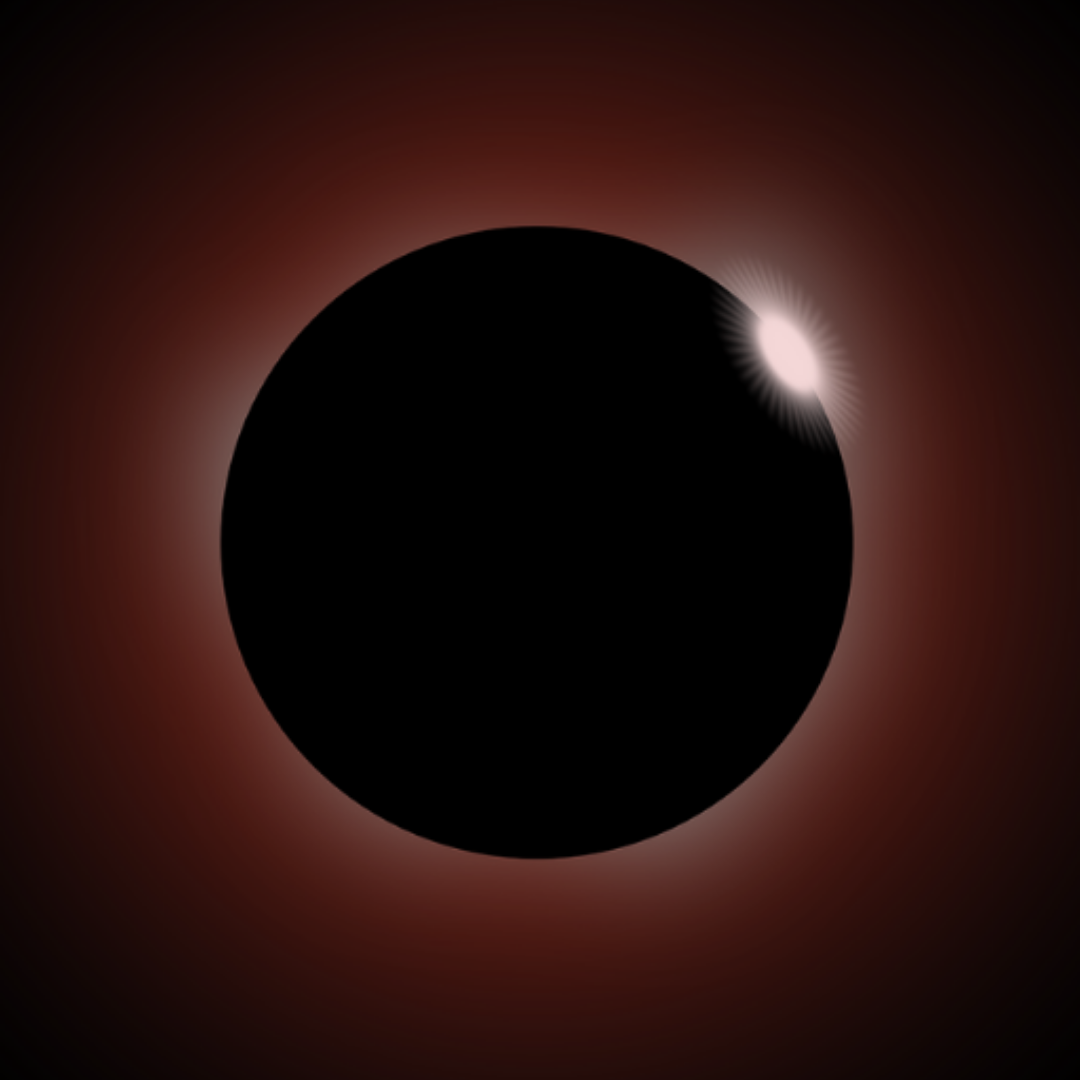
The orb played games in her eye at dusk. As she knew it would. Its kaleidoscopic shards, dominating her introspective vision. She waited for them to shake down, settle into odd shapes, images, placed a hand over her shut eye and stared, awed by them. Her shapes clarified, congealing into wondrous, beautiful, beating hearts. And in each heart was a picture of someone she had loved or would love: a mother suckling her new-born baby, a child at play on an empty lawn, a naked couple making love on a tartan rug in a forest, a bride and groom being showered with confetti, well-wishers from her past, the future. Tears of joy ran down her cheeks. She wept with joy. Holidays, vacations, staycations, tours, cruises, beaches, mountains, streams, fields, woods, cliffs. Idyllic memories, wishes, hopes, permeated her ecstatic, euphoric, frightened mind. Her mood changed, clearing: her unyielding circular sunglass, its thick black circle, invading her. The new visions were just blurs, at first. Her good eye shut. She entered her eclipse. She chilled, scared-sad, as the montage of nightmares descended, filling her petrified orb.
*****
It was a relief for me when Whistling sauntered over with his Parents for a man-hug and chin-wag before dinner-gong. Flute, as I loved to call him, clung to me like a moist slug, his short rotund body pressing against mine until I was sloppy-wet with sweat. Red-faced, I whispered sweet nothings in his ear, to comfort him,
‘Don’t cry, Flu, we can stay in touch.’
‘But I’ll never see you again, Cocky.’
Dad and Mister Whistling: fifty-two, tall, dark, paunch, handsome, a blunt Northerner, working class made good, rich, owned plumbing company, expanded into PPE, white tuxedo, black tie; chortled in unison,
‘Cocky?!’
‘It’s a familial,’ I retorted.
Whistling laughed, spitting beer froth in my face – pleb, ‘Familial?’
‘Yes, one of the nick-names invented by our inner-loving family in dorms at Heads.’
‘Inner-loving family, you say?!’
‘Mm,’ Flu sniffed, recovering slightly, ‘Sleep together, love together, don’t we, Cocky?’
‘Indeed!’ I barfed, enjoying the craic, ‘We’re not allowed to love girls in dorms! We role-play in bed, don’t we Flute?’
‘I’d say!’
‘Tch, boys, really!’ Mrs Whistling: forty-nine, short, fat, busty, hairs in her chin, falling clumsily out of her red satin dress; said quietly.
‘Who asked for your opinion, wifey?’ Whistling barked disdainfully.
I watched her visibly crease, curl, bow, and knot with humiliation. What kind of pompous arse treated a woman like that? I felt sorry for her, trapped in a servile role, masquerading as his loving wife for special occasions, their showy nights out at Raunceston. She had a cut above her right eye, a sore, a swelling. I supposed that she tolerated his vile abuse in exchange for their new-found wealth, new money, new car, villa in the South of France. I wanted to box his cauli ears. Flute flashed me a warning look as if to say don’t go there.
The brute proffered a hairy hand in the direction of my increasingly uncomfortable dad,
‘Ernest Whistling,’ he announced grandly, ‘Head of House, Cane ‘67 to ‘71. Which house were you in?’
Dad paled.
‘Can I interest you in a butterfly prawn?’
I felt a gentle nudge, the Indian beauty. I noted her golden-named badge: Aalia, meaning exulted or highborn. She offered us her crispy deep-fried seafood. We each took a prawn. Except for the cuckoo, Whistling. He grabbed a handful, stuffing the greasy pile into his greedy mouth, a fish and chip gannet on fry-up night. As Mrs Whistling politely refrained,
‘No thank you,’ she murmured, blushing, ‘I’m watching my waistline.’
Aalia smiled at her sympathetically, raised the neck of her magnum level with the rim of my flute, gazed into my eyes and poured, teasing me with her softly-pursed whispery lips,
‘I expect you could do with me after that, couldn’t you, Sir?’
My pulse raced. My heart skipped a beat. I heard myself reply, ‘When?’
She sounded excited, ‘Midnight!’
‘Where?’
‘Great Oak!’
‘Why?’
The dinner gong rang, ‘My Lords, Ladies and Gentlemen, Dinner is about to be served in the Marquee. Please make your way through the Arch to Arbours. Bon Appetit!’
Slowly, we filed out of The Quad, through the narrow mediaeval monk’s bolt-hole known as Henry’s Arch, into the broad, grassy, oak-lined space of Arbours. Cricket nets, pitches. Barren Rugby playing fields that would churn into muddy quagmires come the Fall, under new boy’s boots. Feeling sad, wistful, emotional, I stared across the Field for the last time. In the distance, the half-light, I made out the greying shadows of Old House (the Bursar), the Racket’s Courts, the Cricket Pavilion, the Barracks (our Cadets), and Armoury (guns).
I would never see Aalia or Barfoot alive again.
*****
The orb in her eye filled with terrifying images of death and destruction. As it always had and always would. Her shapes clarified, hardening into grey tombstones, dark shadows. And in each shadow was the face of someone she loved or would love: a mother giving birth to a still-born baby, a child at play by a fire, a couple clinging for dear life to a palm tree as the tsunami bore down on them, a bride and groom being showered with shards of glass, curses from her past, her future. Tears streaked her cheeks. She wept with fear.
She knew too much! Her Appearance always heralded Catastrophe. She tried to warn them: on the beach in Sri Lanka, the streets of Hiroshima, in the Restaurant at the Top of the World. But the reactions of the Damned were invariably the same: their looks of incredulity, shouts of utter disbelief. Her awesome responsibility wearied her, aged her. Yet still she carried on.
His name was Simon. He was eighteen: tall, slim, handsome, athletic, blonde, middle-class, bright, an academic achiever, a loving devoted son. Her aim was to save him. She opened her eyes, and found herself sitting on a slatted park bench beside a great oak. Deborah leapt up, kicked off her open-toed sandals, and ran barefoot over the lush grass – towards the Marquee.
*****
I still struggle emotionally to describe the final moments, yet I recall every minute detail. The lemon and cream marquee, decorated with hanging chains of fairy lights, was an easy stroll past the Cricket nets to Field. Night fell: clear, starry night. I thought I saw a shadow move in the corner of my left eye. I blinked and it was gone.
Soon, we arrived at the front entrance of the marquee – the entrance facing Heads. The queue drew to a massed halt. I wondered whether Dr Meredith succeeded in putting Mum to sleep. She put up a fight when she was maniacal: the frightening strength of the insane. Wondered if Mastiff, our Bus Driver and General Dogsbody, pinned her down, grappling with her while Guinea and Candle held her arms and legs, and Meredith palpated her vein. I glanced at Dad. He looked dejected, withered, out of his depth in these hallowed circles. I could tell his mind was elsewhere, missing her, loving her, needing her – for all her ills.
I miss Dad.
We were greeted, or held up, by a well-muscled Security Guard with shocking ginger hair and bitter chocolate moles jutting out of his stubbled chin. He looked bored and wore a headset which, I suspect, wasn’t turned on. Miss Julia Grayforth, ‘forty’, TV commercials Actress, blonde, buxom, former Model, created a stink about having her pearl handbag searched. Ned was there, milking his celebrity for all she was worth, her bedtime toy boy: button-up shirt, no bow tie. Her scruffy, curly, auburn, coke-addicted son Josh shrugged at me, embarrassed.
It was while we were swanning around, ogling his mother, that I hugged Smyth and met Cranny, swaying,
‘Some maniac,’ he deep-breathed, ‘broke,’ another breath, ‘into Armoury…stole a gun.’
‘You’re pissed, I don’t believe you,’ I said, ‘Get out of my way.’
‘Don’t believe me then. You’ll see!’
I left the braggart to throw up on the lawn, inching forward. Since Dad and I had nothing to declare we were granted instant entry to the Marquee. Head Chef Cuthbert was standing just inside preening and pontificating in spotless whites about the exciting menu. I ignored the buffoon. Instead, I scanned the table plan. Sure enough, we were sitting with Arscott and the Caxton-Whitfields, multimillionaire owners of a bevy of luxury resort-hotels and apartments in exotic beach locations as far apart as Bali and Bermuda. I dreaded to think what Dad had in common with them: staff catering? The air was still, stale, hot and humid inside the Marquee. I was sweating profusely.
Table 15 was at the far end, overlooking Old House, Barracks, and Armoury. Thankfully, someone had the presence of mind to create a second opening. I could go out to gain some much-needed air at half-time. Another movement, someone running in the distance, from Great Oak?
The waiting staff were busy placing Assiettes des Fruits de la Mer on the tables. I knew it would be Prawn Cocktail! I borrowed the menu: Cuisse de Poulet Grand’Mere, Chateau Potatoes, Carrots en Baton, Spinach avec Feta et Lardons, Tomates Farcie, Profiteroles avec Chocolat, Café ou Thé avec Petits Fours. Cuthbert’s usual stodge. There was no sign of Aalia, I fully expected her to serve us the legendary Raunceston House 2005. I craved our clandestine liaison at midnight. Barfoot afterwards, in bed, if she could stay awake. I intended to make the most of my final night in School. Dad was booked into a cheap bed and breakfast in town. Mum would be dead to the world until after Chapel. So, why not?
The Marquee started to fill. We made our way past the Top Table, reserved for Heskwith the Head, Brandy Heskwith, his amorous Californian wife, and the crusty Old Knights of the Realm (or Governors). There was a raised stage, a rubber floor, for the Entertainment: Dancing to The O’Shea’s. I eyed the vacant drum kit, bass and lead guitars, a mike. No sign of a band. I supposed that they’d stolen over to the nearby pizzeria for supper. I will never know. The O’Shea’s were not due to perform until 10pm, after Heskwith’s final, farewell speech.
We all took our places at the designated tables, stood behind our chairs, watched the Head file in with his trusted Entourage, then bowed heads as Chaplain Cedric Arden-Trott lead Grace. He bounded up to the rostrum, seizing the mic in one fist, and cheerily pronounced,
‘For what we are about to receive may the Lord make us truly…’
‘Please! Stop!’
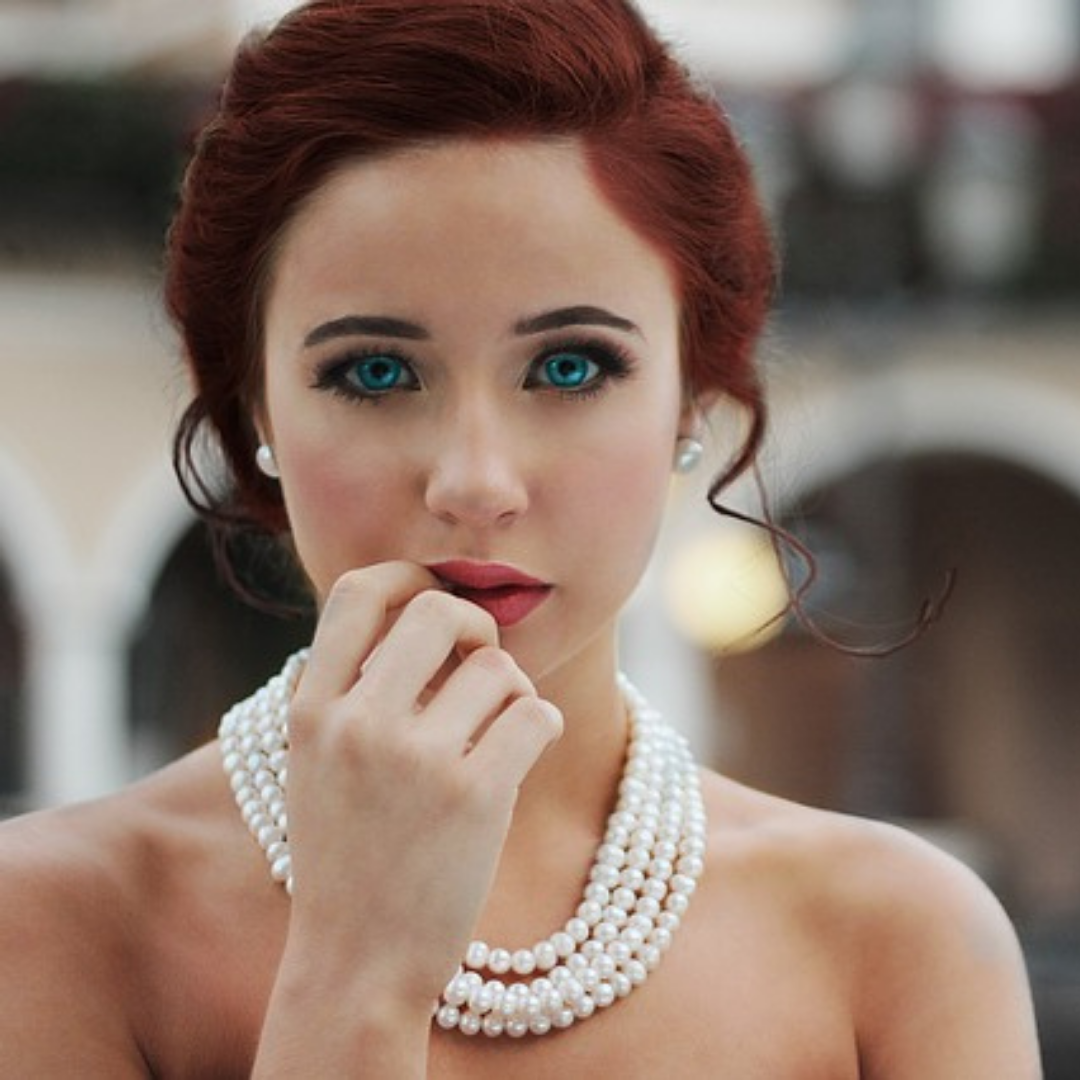
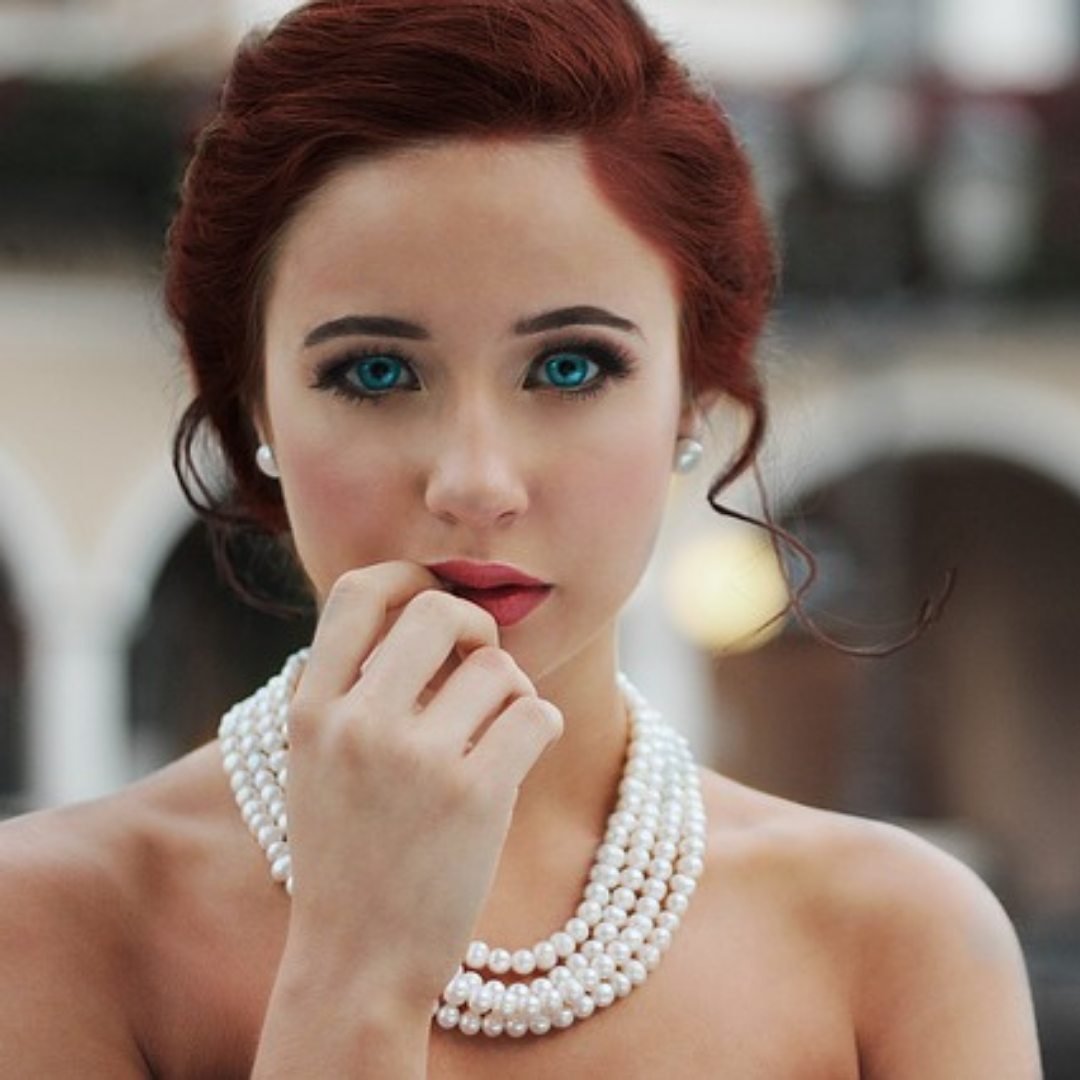
The first thing I observed about the girl was how overdressed she was for the occasion. Her blowsy purple ball-gown, huge pearl earrings and necklace made her look more like a deb at a Kensington society ball than a school-leaver. She wasn’t a Raunceston girl – that’s for sure. I noticed that she was barefoot, puffing, panting: Thomas the Tank Engine in a Dress! Everyone else noticed her, standing by me, at the far entrance to the Marquee. The whole of Uppers stood still, watched, waited, then we listened to her,
‘I know too much! Something terrible is about to happen here tonight. You must leave now. Leave here. Please! Before it’s too late!’
To my surprise, Dad found his voice,
‘What, what’s about to happen?’
Others chipped in, Smyth, the Caxton-Whitfield’s, even Arscott,
‘Yes, what?!’
The girl with the clear sapphire eyes looked increasingly agitated, alarmed, embarrassed. She stared me in the eye; a fleeting moment passed between us. She spoke her final words,
‘I, I don’t know, I…’
Heskwith intervened,
‘Don’t know? You walk in here uninvited, young lady, interrupt a most important formal celebration dinner, frighten my Guests and Scholars half to death with threats, then say you don’t know? Leave us, please! Immediately! Before I call Security!’
‘Security! Security!’ he added, calling the Guard.
I’ll never know why, but I felt sorry for her, standing there alone, facing imminent arrest. She gave me an endearing look, a familial, as if to say, I know you, I’ll always know you. Then she burst into tears, turned on the balls of her feet and ran outside, into the darkness.
Panic set in. Chaos ensued. Everybody made a beeline for the Exit, for Quad, for School. I edged towards the entrance, needing to know, about her, about me, our fate, Dad spoke to me, for the last time,
‘Simon! Where do you think you’re going?’
‘I don’t know, Dad!’ I called, ‘I only know she was staring at me. Trying to warn me? I must find her! Must find out why…’
I managed to force my way through the heaving throng to the far entrance.
That was when the bomb exploded.
*****
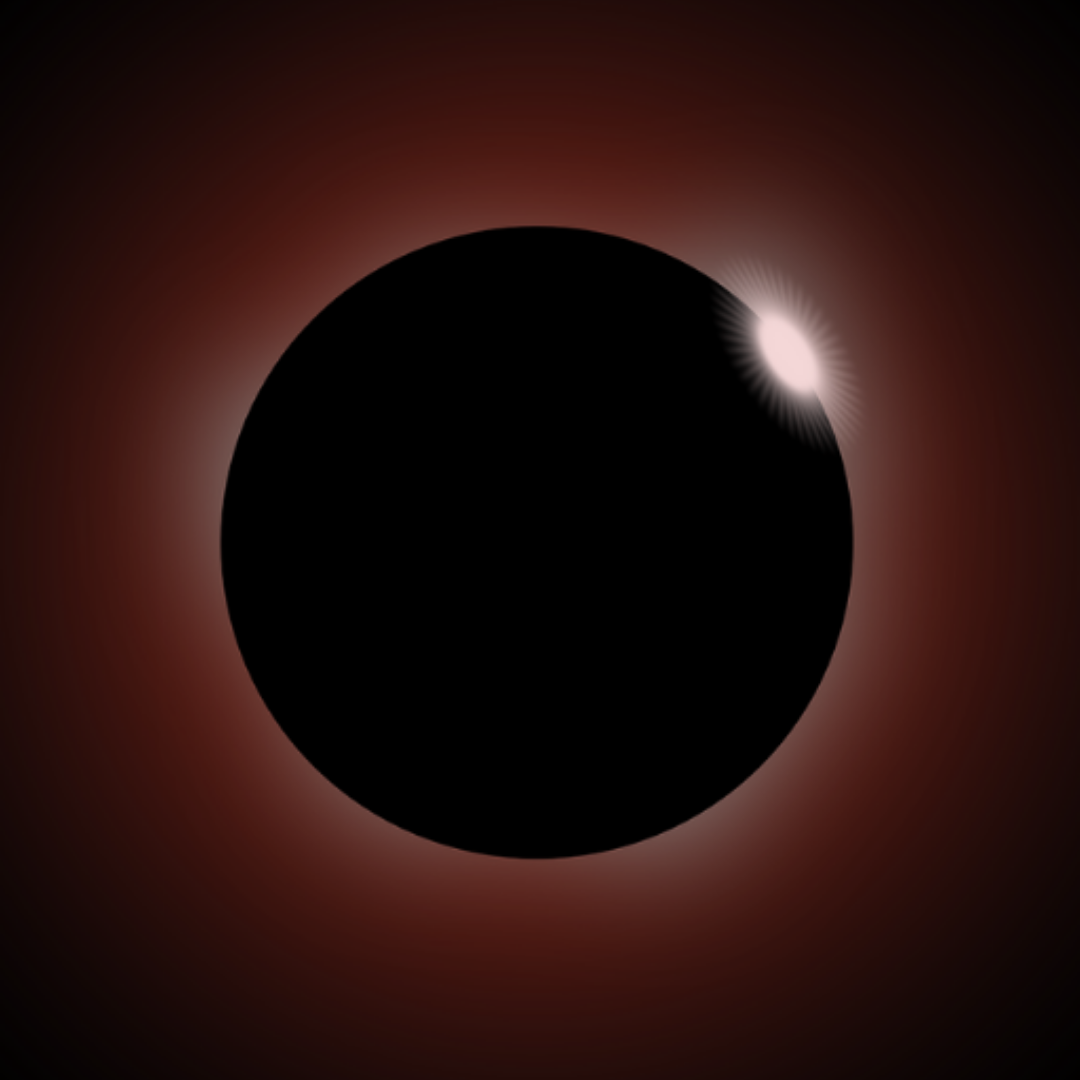
The orb appeared in her eye at dusk. As she knew it would. Wobbling. Bobbling about. Like a dark beach ball balanced precariously on her wave of discontent. She placed her hands palms-down in her lap and stared at them. The shape was clearer now: an umbra, an unyielding circular sunglass surrounded by a thick black line, fading. The vision in the rest of her eye was just a blur. Her good eye shut. And she went into total eclipse…
Sunday 22nd March 2020


Powerfully penned, HJ. Excellent storytelling and crisp imagery my friend. Nicely done. Appreciate you.
Damian
Thank you, once again, for being so kind to me, Damian – it was a hard story to tell but you made all my efforts worthwhile, HJx